

Homeschooling on the Road
- Nov 3, 2025
- 5 min read
Updated: Jun 9

By The Van Life Adventures
Imagine waking up to the sound of waves crashing against the shore or the rustling of leaves in a forest. For our family, this isn’t just a daydream—it’s part of our everyday life. We live full-time in our van and home-educate our son, Theo, through a child-led approach. Instead of following a rigid timetable, we let his curiosity guide us, and the world around us provides endless opportunities to learn.
Homeschooling on the road is an adventure like no other. It is a path many families are discovering as they combine vanlife with education. Here is how we have made it work, and how you can too.
Why Vanlife and Homeschooling Work So Well Together
Flexibility and Spontaneous Learning
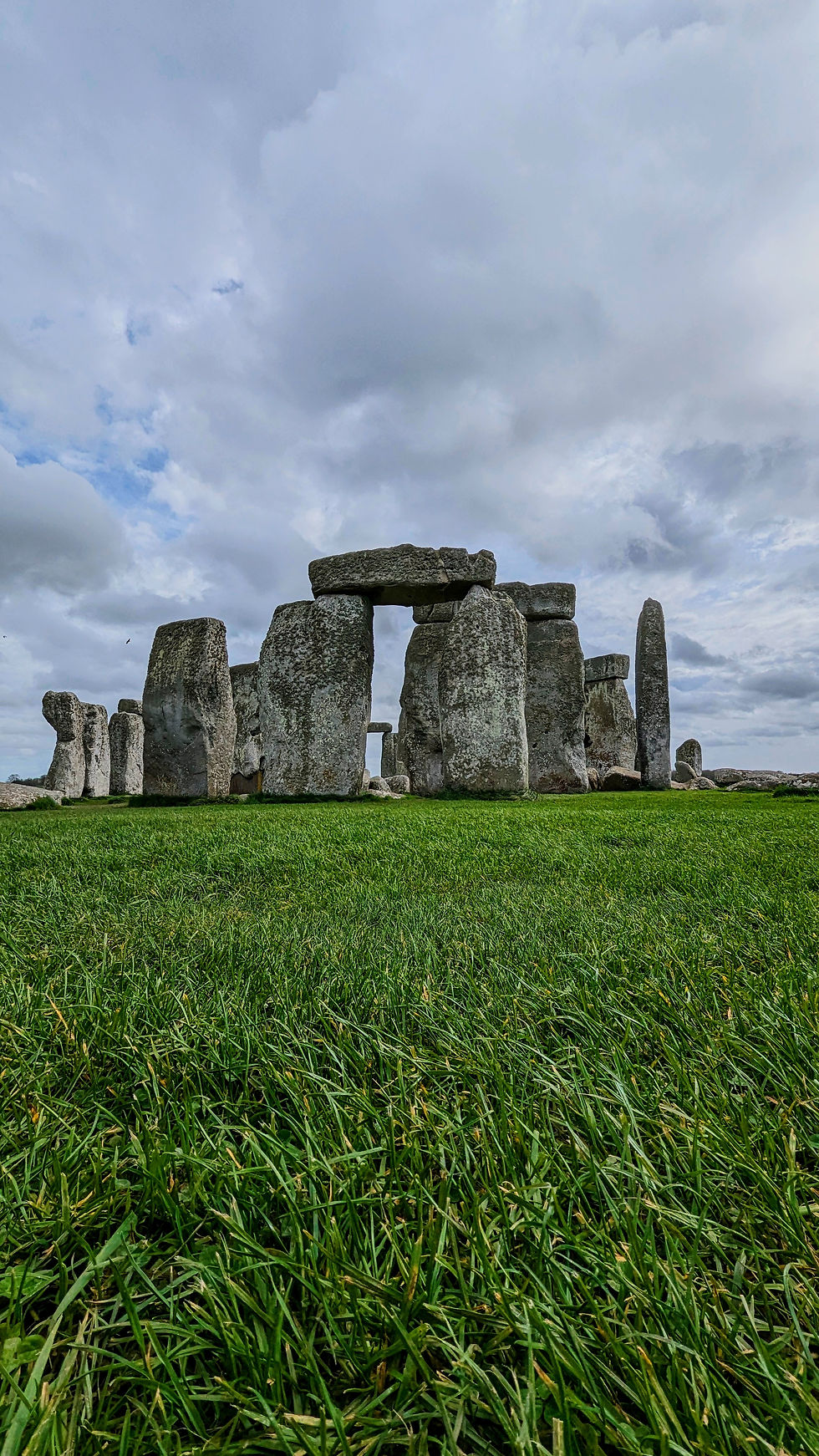
We choose where to go and when to move on. This freedom creates spontaneous learning opportunities, from exploring a historic castle one day to studying tide pools the next. We have travelled all over the UK and witnessed incredible sights, from beautiful mountain ranges like Snowdonia National Park in Wales and waterfalls in Scotland, to historic monuments like Stonehenge in England. We have even travelled overseas to France; although it was a family holiday, there were constant stops along the way where we could learn something new. Learning isn't just for Theo—we have learnt so much since starting this journey ourselves!
Real-World Learning Over Textbooks
Textbooks become optional when you can see the real thing. Nature, history, and culture come alive when you stand in the places where they actually happened. We try to visit as many outdoor spaces as possible because Theo genuinely loves being in nature. His dream is to see penguins in the wild, and we intend to make that happen for him. Rehabilitation—with the aim to release instead of captivity—is a big concern of Theo's, so we actively avoid corporate zoos to help develop his moral compass and understanding of wildlife conservation.

Affordable Exploration
With certain strategic memberships, we explore countless sites across England, Wales, and Scotland. To keep costs low, we often seek out smaller, free, or inexpensive places. These are brilliant because they are more personal and much less overwhelming for children. Most of the free places we visit have donation points; it is essential to us that we stress the importance of helping people and preserving these sites for future generations. We visit everything from enormous free national museums to smaller, highly affordable local heritage sites, alongside big parks, beaches, and nature reserves.
making freinds and socialising
One of the biggest myths about van life is that your child will miss out on socialising, but the road actually offers far richer opportunities than a standard school playground! Every new park or campsite is a chance for your child to adapt and make friends with a diverse range of kids, and if you’re staying put for a while, tapping into local home-ed or sports clubs provides a fantastic temporary community. You’ll inevitably cross paths with other van families, so swap details (provided they aren't complete weirdos!) for FaceTiming, online gaming, or old-school pen-pal letters down the road. We also heavily encourage chatting with museum guides and attraction staff and businesses, which builds incredible confidence when speaking to professionals, though we naturally always maintain strict "stranger danger" boundaries in public spaces.
Physical Education
Physical education is arguably the easiest subject to tick off when your back garden changes every single day. Forget freezing in a draughty school hall in dodgy plimsolls; PE on the road means hiking up Welsh mountains, cycling along canal towpaths, wild swimming in the sea, or simply spending three hours climbing trees. It is naturally woven into the van life lifestyle without needing a rigid gym schedule. Plus, any outdoor activity that builds their stamina, develops their motor skills, and successfully burns off all that boundless energy before bedtime, is an absolute massive win for everyone crammed into a van together!
🚀 Ready to unlock our budget secrets? In our premium checklist, we reveal the exact membership loopholes that can legally save you hundreds of pounds across UK borders, plus a fully curated, region-by-region list of our best educational attractions!

Family Bonding
Living and learning in close quarters means we share experiences and discoveries together. People automatically assume that living so closely causes arguments, but we rarely argue. We communicate strongly as a couple and a family; if there is tension, we discuss it healthily and respectfully. We also use family bonding time to talk about travel destinations, set our monthly budget, and play games. We don't often watch movies, but when we do, we make a proper night of it with snacks and a cosy space.
Preparing for Life on the Road
Choosing Your Vehicle & Approach
Your van is your home base. Think carefully about space, comfort, and how much time you will actually spend inside. For us, the van is cosy and practical, but the vast majority of our learning happens outside.
We don’t follow a super strict curriculum, but core lessons always take place: English (reading and writing), Maths (counting, money, and sums), and Science (learnt mostly outdoors). We set broad goals and let Theo’s interests guide us. For example:
Visiting a Roman fort: Covers history, geography, and storytelling.
Exploring tide pools: Covers science, sketching, and observation.
Spending time at a living museum: Covers culture, technology, daily life in the past, and science.
💻 Need a space-saving tech stack? When we need extra support, we dip into online resources. The Premium Guide contains our fully vetted, payload-friendly "MVP Learning Toolkit," featuring the exact digital platforms, offline apps, and hardware we use to keep education robust without sacrificing precious van space.
Daily Life on the Road
Rhythm, Not Routine
Vanlife thrives on flexibility, but a gentle rhythm keeps us grounded. It all depends on how we feel, but a typical day flows like this:
Sample Daily Rhythm:
• Mornings: Breakfast and core desk-based lessons (English and Maths).
• Afternoons: Outings, hands-on learning, or following curiosity wherever it leads.
• Evenings: Family time where Theo fills out his journal and notes what he wants to learn tomorrow.
Overcoming Space Constraints & Work
Living small requires organisation. Storage solutions, tidy habits, and making use of the outdoors help us manage. Giving everyone a bit of personal space (even just headphones and a quiet corner) is key. If you are working on the road as well, set clear boundaries. It can be hard at first to get your child to understand new routines, but consistency is the key to success.
The Joy of Homeschooling on the Road
We keep journals, take photos, and talk about our experiences—not just as souvenirs, but as records of the learning that takes place every day. Theo helps plan our routes and choose outings, teaching him responsibility and problem-solving. We occasionally use an A-Z map in the cab to navigate; even if he makes a mistake, we simply correct it together, teaching resilience and perseverance.
For us, homeschooling on the road isn’t about creating a perfect system—it’s about living fully. Theo’s education comes from castles, coastlines, museums, and conversations. I don't want you to look at our story and feel overwhelmed; we also make mistakes, have squabbles, and not everything is perfect. But there is profound beauty in the madness.
Robin Hoods Cave Hardknott Pass Big Pit Mine The Lake District The Historic Dockyard Dress up at Goodrich castle Theo and Nathan at a ruin in the North of England Theo at Stratford upon Avon visiting a butterfly conservation farm
Ready to Take the Next Step?
If you are serious about transitioning to road-schooling, our premium guide takes all the guesswork out of the process.
Feature | What you get |
Our Experiences That Have Proven To Work | Yes (Tips and tricks, we learnt the hard way) |
UK EHE Legal & Registration Guide | Yes (With all the information you need to start homeschooling) |
Full UK Regional Attraction Checklist | Yes (Our top list, including over 40 locations around the UK) |
The MVP Digital Tool Kit | Yes (A full toolbox for on-the-road schooling, including: apps, hardware, distance schools) |
Membership & Budget Hacks | Yes (Cross-border saving strategies) |

Comments